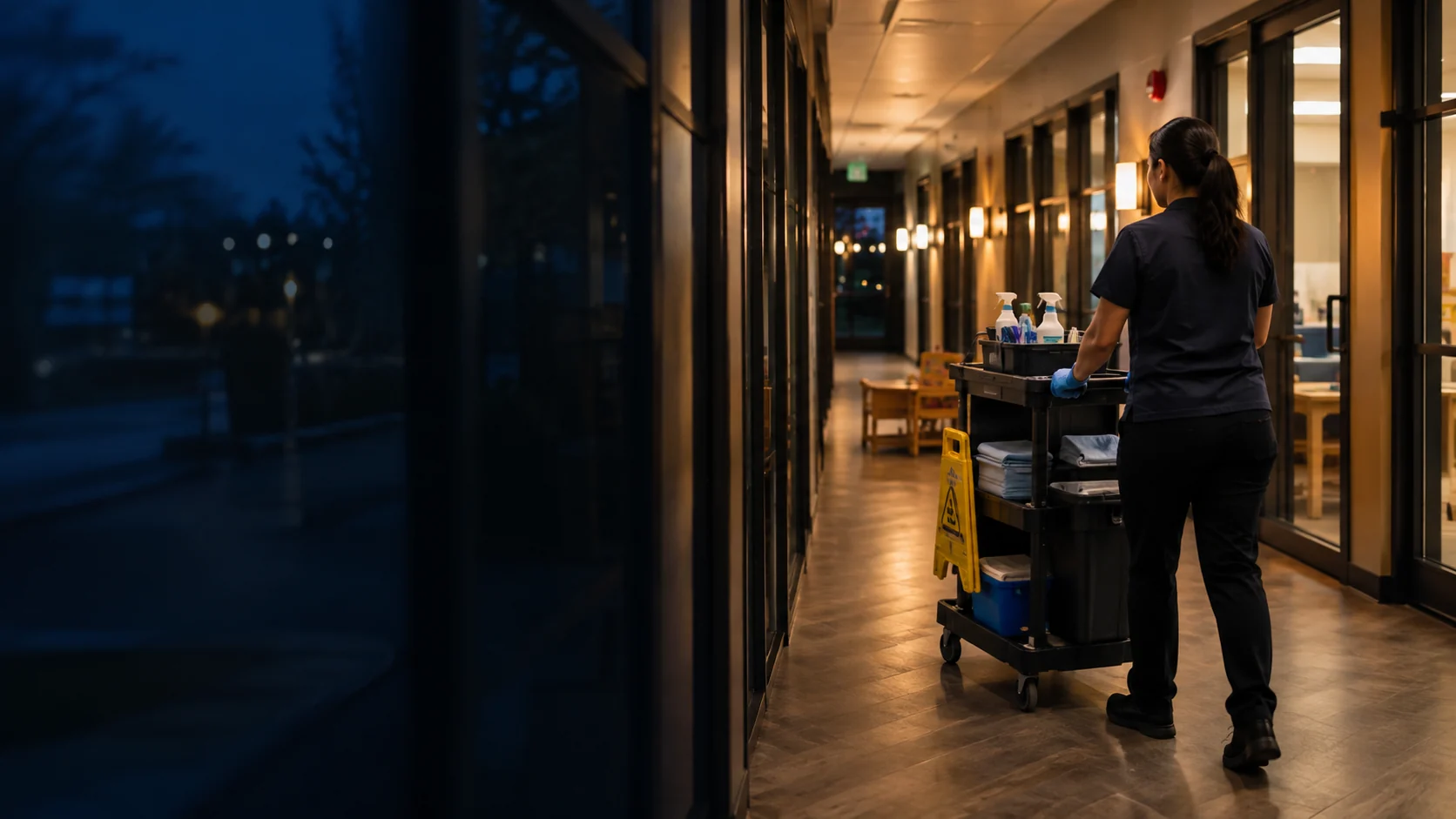
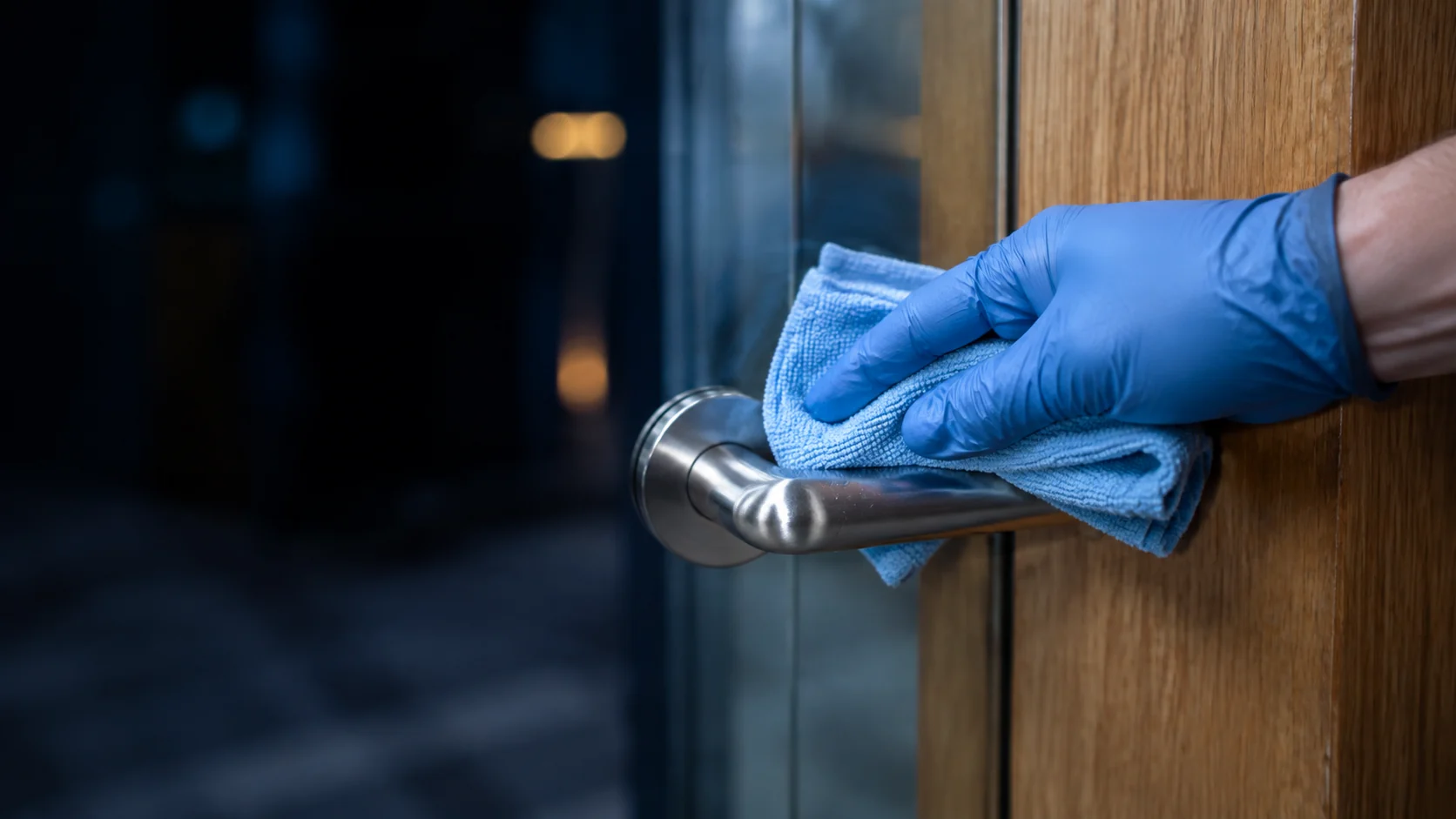
Reliable commercial cleaning starts with a task list people can actually use. We connect each cleaning task to a named room or area, then make it clear how to report a missed item, access problem or change in the building.
Defined tasksAgreed frequencyClear responsibilities
THE WAY YOUR PROPERTY WORKS
Good details make
all the difference.
Reliable commercial cleaning starts with a task list people can actually use. We connect each cleaning task to a named room or area, then make it clear how to report a missed item, access problem or change in the building.
01
A checklist built around your property
The cleaning list follows the building rather than forcing every property into the same template. Office meeting rooms, strata lifts, dealership showroom floors and retail counters each receive the tasks and frequencies agreed for that space.
02
Checks you can see and describe
Useful review points are specific: the reception floor was vacuumed, a washroom fixture was cleaned or a bin was emptied. This makes feedback faster than a vague rating. A visual check records the appearance or reported completion of a task; it does not prove a health outcome.
03
A clear route for service issues
When something needs attention, record the area, task and date. Note whether access, uncleared surfaces or another condition affected the work. The property contact and cleaning contact can then agree on follow-up without exposing resident, visitor or customer information.
Name the floor, room or common area
Identify the task or access issue
Send privacy-safe detail when needed
Confirm the follow-up and close the item
04
Reviews that follow changes in the building
Cleaning needs change when a tenant moves in, an office adds occupied days, a showroom layout changes or an amenity room reopens. A regular service conversation can separate a missed task from a genuine change in scope and keep the schedule aligned with the property.
05
Questions to ask before service starts
Ask who receives service concerns, how urgent access problems are handled, when the task list is reviewed and whether any reporting tool or photographs are used. These choices should appear in your agreement rather than rely on assumptions. Include product labels, surface-care directions and any applicable safety data sheets in the handover. WorkSafeBC explains what labels and safety data sheets communicate about hazardous products.
Your proposal should identify the rooms and recurring tasks included. The exact review format is confirmed with the cleaning arrangement so it matches the property.
Will every visit include photographs or a dashboard?+
Photo reporting or a dashboard is included only when expressly agreed. If photos are used, permitted areas and privacy rules should be set before service starts.
How should we report a missed cleaning task?+
Name the building area and task, say when you noticed it and note any access issue. Keep faces, unit information, customer records and confidential office material out of photos or messages.
When should the cleaning plan be reviewed?+
Review it when occupancy, opening hours, tenants, room use or floor finishes change, and at any regular interval agreed for the service.
A BETTER BEGINNING
A cleaner space. Starts with a conversation.
Tell us about the property, the people who use it and what you need from your cleaning service.